


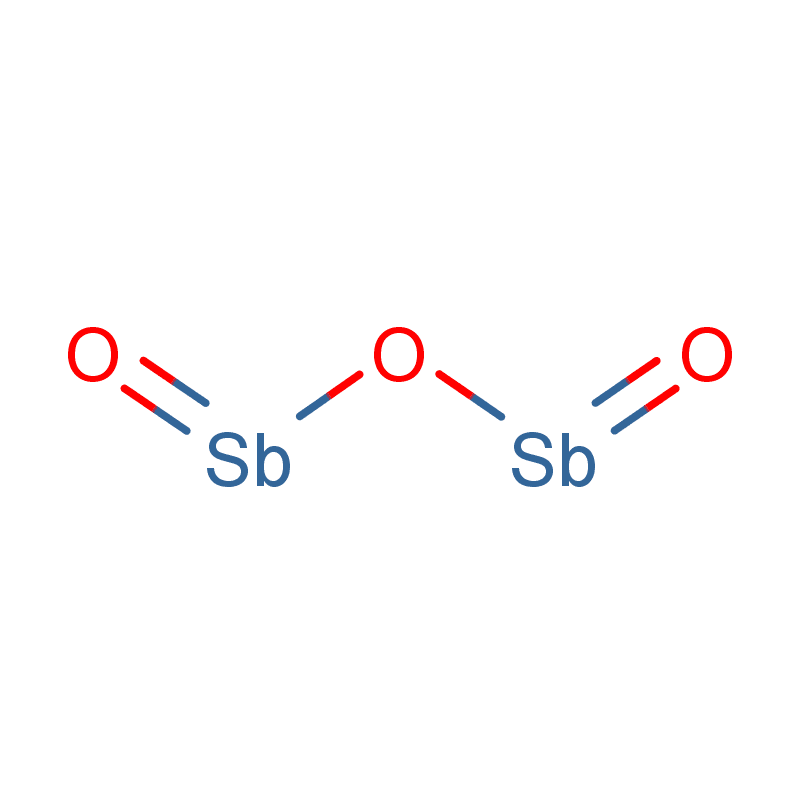
Antimony Trioxide (Sb₂O₃) or ATO is a versatile inorganic compound universally used across multiple industrial sectors, primarily as a flame retardant. Predominantly utilised in the production of plastics, textiles, glass, and electronic components. Antimony Trioxide main role is as a synergist in halogenated flame retardant systems for various applications, where it enhances the material’s flame resistance. For clarity in trade and sourcing, Antimony Trioxide is also called by other names, such as Diantimony Trioxide and Antimonious Oxide, terms often used by ATO manufacturers. Offered Antimony Trioxide as an end-to-end product solution and competitive pricing on ATO grades. We are a globally established, various flame-retardant supplier, along with a broad portfolio of other speciality chemicals worldwide through comprehensive regulatory documentation (CoA), traceability, and consistent global supply capabilities, ensuring reliable lead times and quality assurance across all grades.
Antimony Trioxide (Sb₂O₃) or ATO is a versatile inorganic compound universally used across multiple industrial sectors, primarily as a flame retardant. Predominantly utilised in the production of plastics, textiles, glass, and electronic components. Antimony Trioxide main role is as a synergist in halogenated flame retardant systems for various applications, where it enhances the material’s flame resistance. For clarity in trade and sourcing, Antimony Trioxide is also called by other names, such as Diantimony Trioxide and Antimonious Oxide, terms often used by ATO manufacturers. Offered Antimony Trioxide as an end-to-end product solution and competitive pricing on ATO grades. We are a globally established, various flame-retardant supplier, along with a broad portfolio of other speciality chemicals worldwide through comprehensive regulatory documentation (CoA), traceability, and consistent global supply capabilities, ensuring reliable lead times and quality assurance across all grades.

.3d8f8f41.svg)
Flame Retardants
.3556d45a.svg)

Synergists & Smoke Suppressants


Antimony-based synergists
.7767eb0f.png&w=3840&q=75)

Chemical Properties & Specifications
H302, H315, H319, H335
P264, P270, P301 + P312, P305 + P351 + P338
Category 2, 2A, 3, 4
13 - Non-combustible solids
Harmful by ingestion, may cause respiratory irritation, skin, and eye irritation
WGK 2 (Class 2: hazardous to water)
Incorporated into plastics, textiles, and coatings to enhance their fire-resistant properties. Acts as a synergist in Combination with halogenated flame retardants
Preferred in the manufacture of polyethylene terephthalate (PET), contributing to the production of bottles, containers, and fibers
Preferred in the production of certain types of glass and ceramics, improving their thermal and optical properties
Chosen in the production of semiconductors and other electronic devices where it serves as an additive for the enhancement of electronic components
20–25°C (68–77°F)
Keep in a cool, dry place away from light and moisture
Use airtight containers to prevent contamination
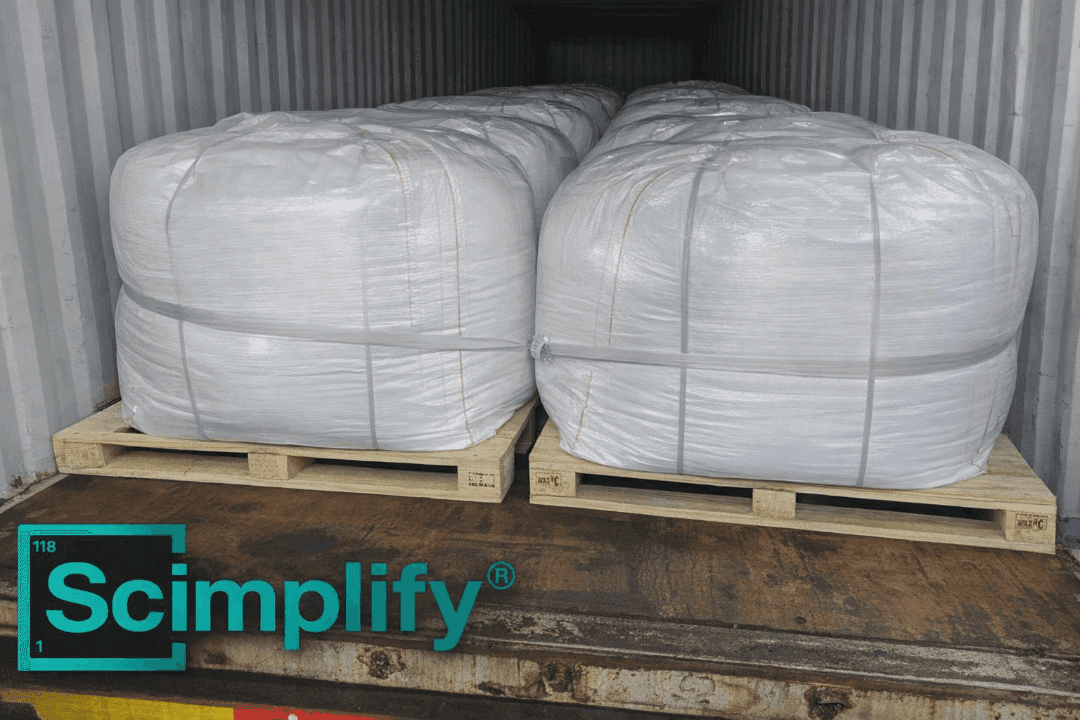
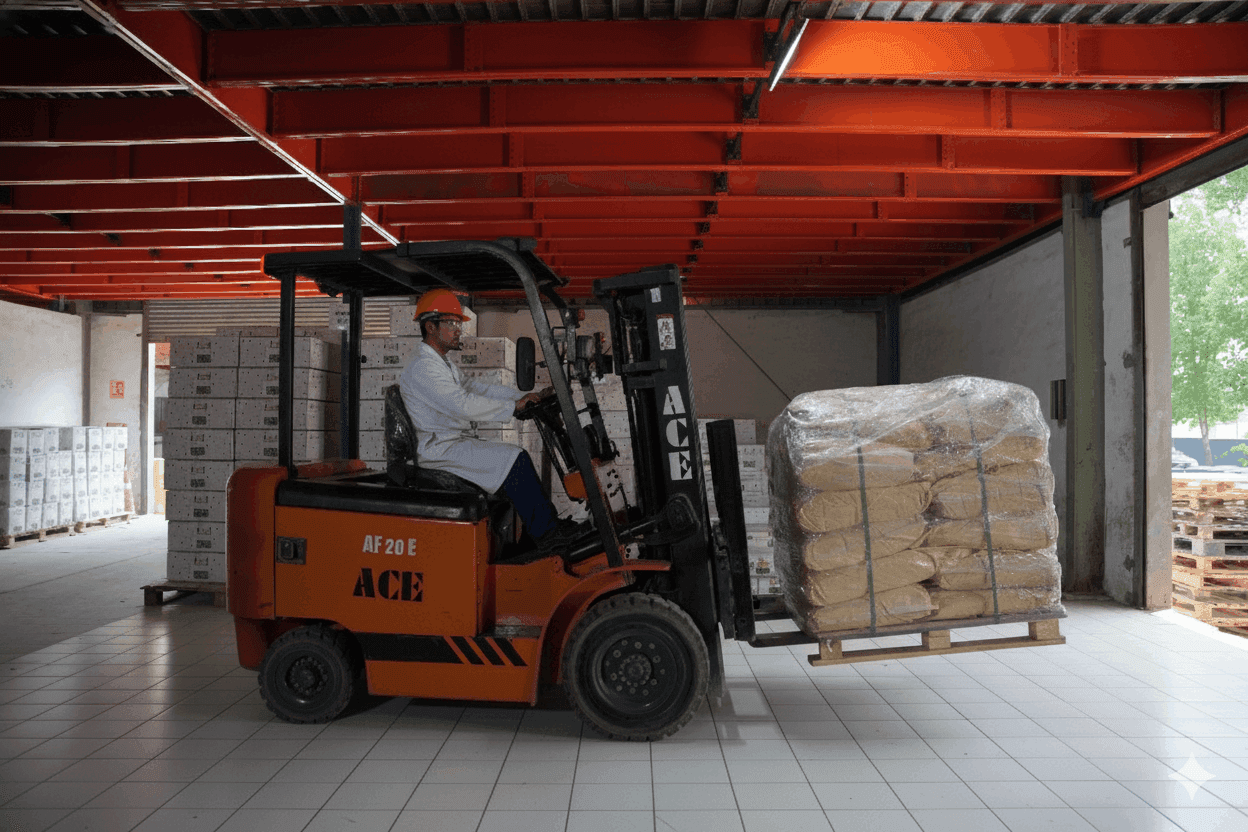
Packaged in 25 OR 50-kilogram HDPE bags
Each pallet is stretch-wrapped in polyethylene to ensure the bags remain secure during transit
Alternative package: 500-kilogram big bags
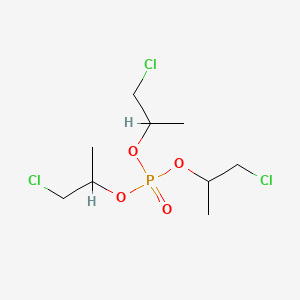

CAS No. : 13674-84-5
Category : Specialty Polymers & Additives
Sub-Category : Chlorinated phosphate esters
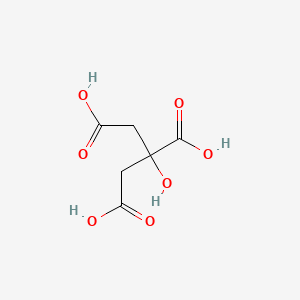
CAS No. : 77-92-9
Category : Food Ingredients
Sub-Category : Flavor Enhancers
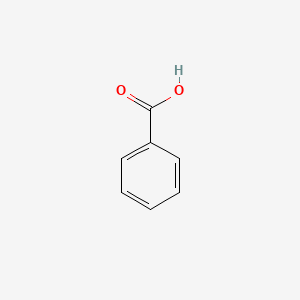
CAS No. : 65-85-0
Category : Food Ingredients
Sub-Category : Preservatives & Additives
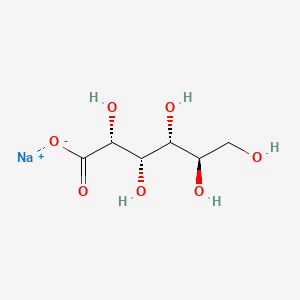
CAS No. : 527-07-1
Category : Food Ingredients
Sub-Category : Mineral Chelates & Acidity Regulators